

Building on our first discussion, I’d like to bring the question closer to CIVIC.
CIVIC believes that people affected by conflict should have a meaningful voice in decisions that affect their lives. Could we apply a similar thinking to the way we engage with supporters?
What if supporters could contribute not only financial resources, but also ideas, expertise, networks and new perspectives?
What should they be able to influence, and where should CIVIC retain responsibility?
I’d be curious to hear what you think a genuinely participatory model of philanthropy for civilian protection could look like.
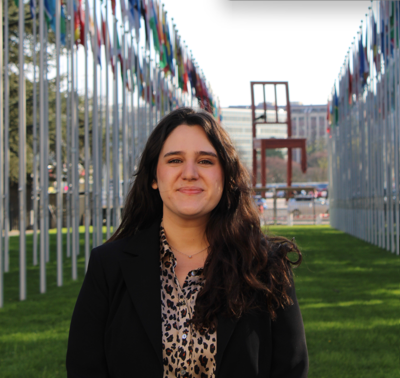
I think that the most valuable role for supporters may be helping CIVIC learn and innovate more effectively, contributing to its mission, without shifting accountability away. CIVIC would retain the responsibility for strategy, the safeguarding, and the decisions that affect conflict-affected communities, but supporters could contribute with their expertise, their networks and provide feedback on priorities. A more participatory model of governance could look like: supporters voting on certain initiatives, participating in learning exchanges, or collaborating on advocacy.